
Antonyms/Synonyms
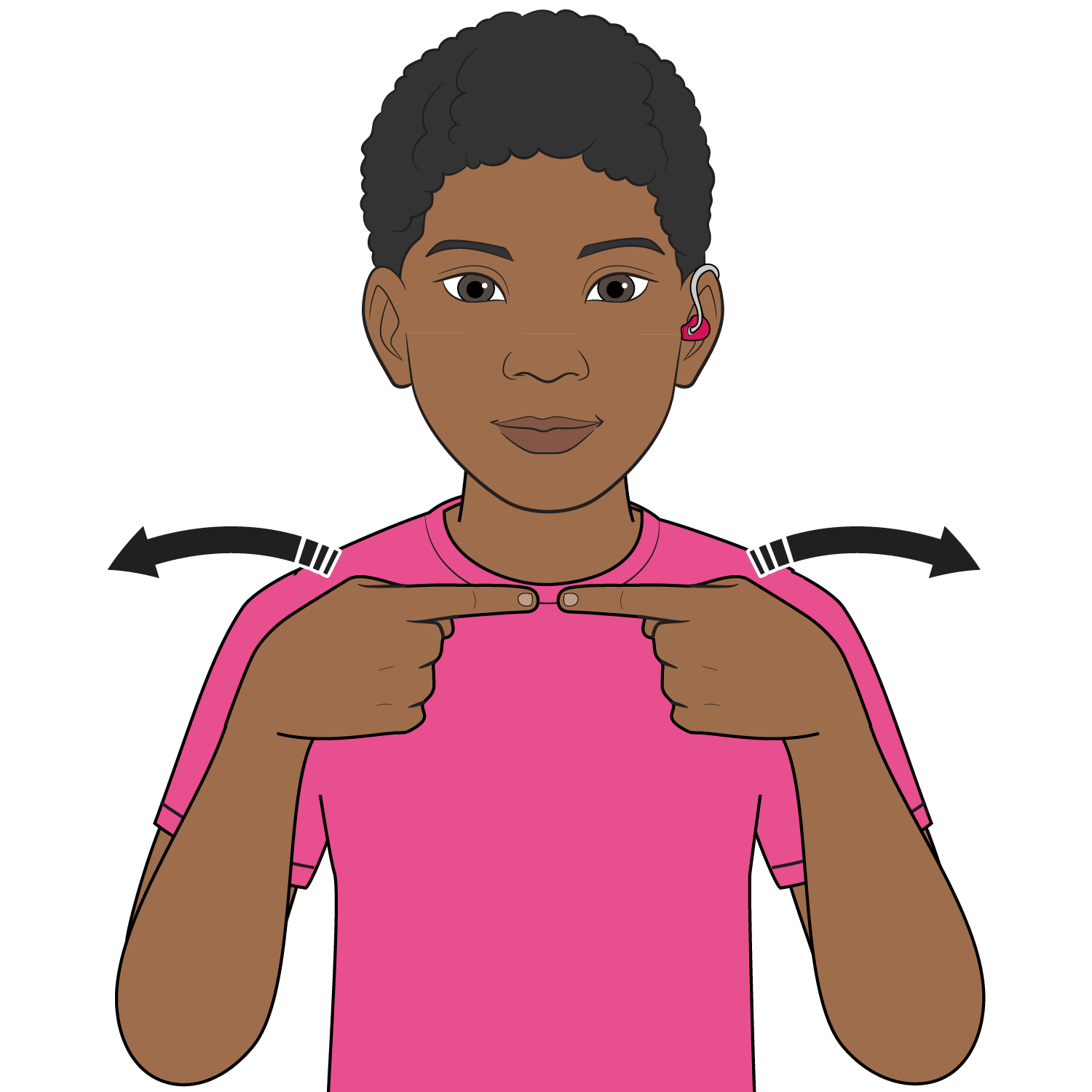
Sign: OPPOSITE
Index fingers pull apart.
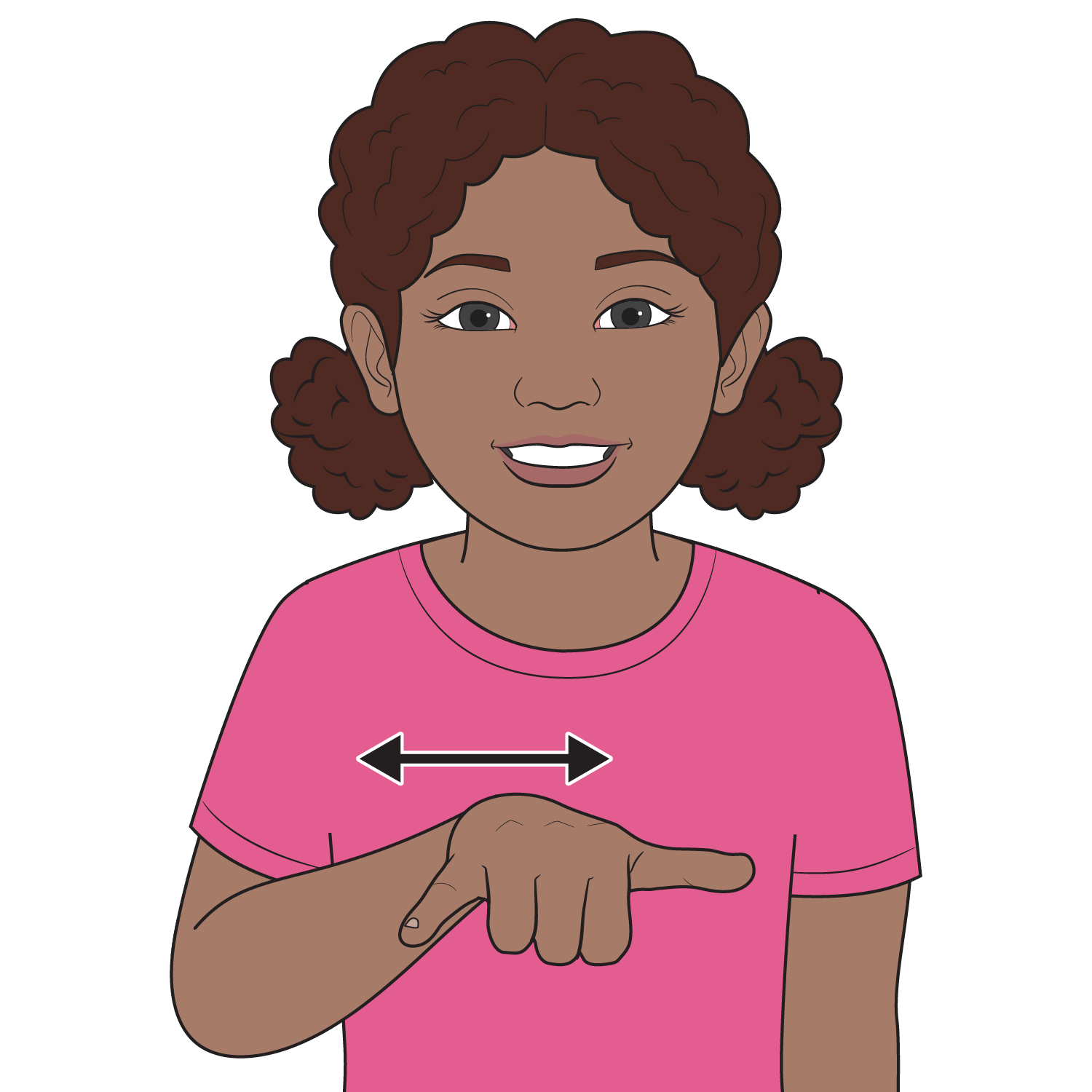
Sign: SAME
Move Y-hand left to right several times.
Antonyms/Synonyms
Bonus Teaching Ideas
👀 Click on the “Materials” tab for your PDFs. Bonus Video(s) below.
Exploring the fascinating world of words with antonyms and synonyms is a fantastic way to boost vocabulary! Draw inspiration from these engaging and practical ideas:
1. Antonyms (Opposites)
Opposite Charades: Act out a word, and have students guess the word and then say its opposite.
“Opposite Word” Brainstorm: Say a word, and have students brainstorm as many opposites as they can think of.
Opposite Sorting Activities: Provide word cards or picture cards and have students sort them into pairs that are opposites.
Opposite Sentence Completion: Provide sentences with a blank space and have students fill it in with the opposite of a given word (e.g., “The sun is ______ (down)”).
“Opposite Corners” Game: Designate two corners of the room as representing opposite concepts (e.g., “fast” and “slow”). Call out a word, and have students move to the corresponding corner.
“What’s the Opposite?” Circle Time Game: Go around the circle, and each student says the opposite of the word the previous student said.
2. Synonyms (Same)
Synonym Brainstorming: Say a word, and have students brainstorm words that mean the same or something similar.
Synonym Sentence Substitution: Provide simple sentences and have students replace a word with a synonym (e.g., “The cat was big” becomes “The cat was large”).
Synonym Sorting Activities: Provide word cards and have students group words that have similar meanings.
Synonym Games (e.g., “Synonym Go Fish”): Create card games where students try to make pairs of synonyms.
“Find a Word That Means…” Activity: Give a definition and have students find a word that matches (e.g., “Find a word that means ‘glad'”).
Synonym Webs: Create simple word webs where students write a central word and then brainstorm synonyms around it.
3. Review Ideas
Mixed Sorting Activities: Provide a collection of words and have students sort them into antonym pairs and synonym groups.
Sentence Transformation: Provide a sentence and have students replace a word with its antonym and then with a synonym, discussing how the meaning changes.
“Antonym or Synonym?” Game: Call out two words and have students identify if they are antonyms or synonyms.
Using Picture Books for Review: Point out examples of antonyms and synonyms as you read picture books.
Creating Class Charts: Make anchor charts listing examples of antonyms and synonyms that the class has learned.
By incorporating these engaging activities, along with ASL, your students will build a strong foundation in understanding antonyms and synonyms, enriching their vocabulary and comprehension skills in a fun and interactive way. Get ready to watch their word knowledge blossom!
Sign Language Component:
- ⭐️ Sign & Say – Choose simple words like “hot”, “cold,” “happy,” “sad,” “baby,” “infant,” “house,” and “cabin.” Teach students the sign for each word and its antonym or synonym. Use them during transitions, circle time, or movement breaks. For example, say “hot” and sign it, then ask, “What’s the opposite?” or “What word means the same?” and students sign the answers.
- ⭐️ Build opposites and same word walls with signs.
